
Colonoscopy
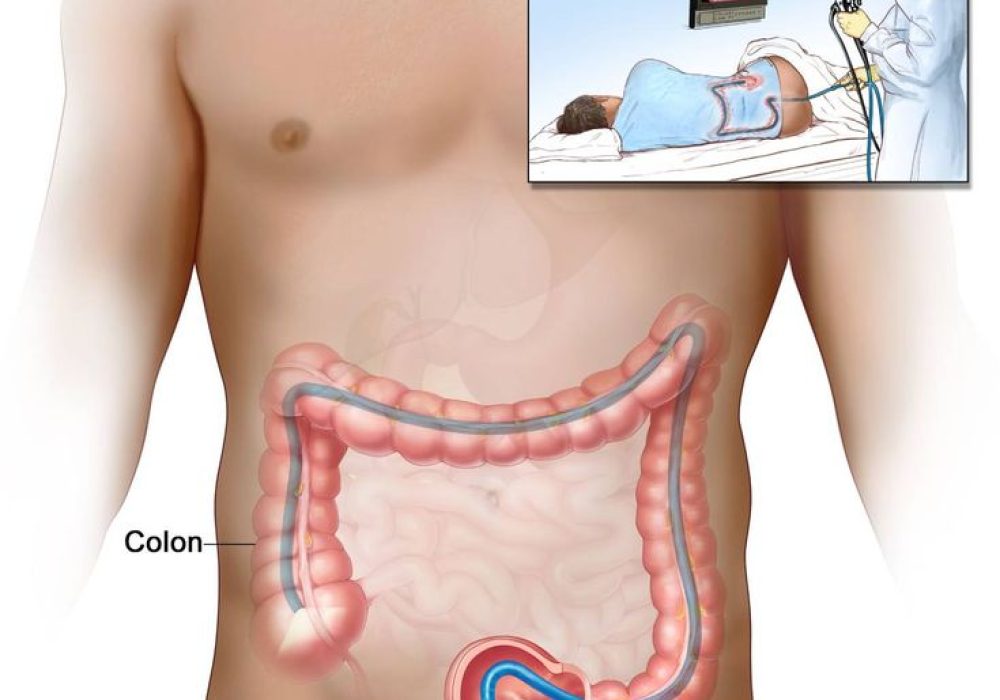
Colonoscopy
Colonoscopy is an instrumental medical procedure utilized to examine the inner lining of the colon (large intestine) and rectum. Conducted with a colonoscope—a lengthy, flexible tube housing a camera and light at its end, transmitting live images to a monitor—colonoscopy plays a pivotal role in diagnosing, preventing, and managing various colorectal conditions.
Typically recommended for individuals aged 45 and above as part of routine colorectal cancer screening, colonoscopy is also instrumental in investigating symptoms like rectal bleeding, abdominal discomfort, chronic bowel irregularities, or unexplained weight loss. Throughout the procedure, healthcare providers can identify and excise polyps, abnormal tissue growths with the potential to progress into cancer over time. Biopsies may also be collected for detailed analysis.
Preparation for a colonoscopy involves thorough bowel cleansing to ensure optimal visibility by emptying and clearing the colon. This often entails adhering to a liquid diet and using a prescribed laxative the day prior to the procedure. Conducted under sedation to maximize patient comfort, the procedure is generally well-tolerated, with most individuals experiencing minimal discomfort.
A dual-purpose procedure, colonoscopy not only serves as a diagnostic measure but also as a therapeutic intervention. Beyond cancer screening, it can identify and manage conditions like diverticulosis, inflammatory bowel disease (IBD), and strictures. Notably, polyps and minor lesions can be promptly removed during the procedure, mitigating the risk of future complications.
While colonoscopy is considered a safe procedure, there are minimal associated risks, including bleeding, infection, or bowel perforation. Recovery is usually swift, with patients typically resuming their usual activities within 24 hours.
Regular colonoscopy screenings are crucial in preventive healthcare, particularly for individuals with a familial history of colorectal cancer or polyps. Through early detection and intervention, colonoscopy significantly enhances outcomes and contributes to the maintenance of overall colorectal health.
While some people may experience mild discomfort or cramping, colonoscopy is generally not painful. Sedation is usually administered to help patients relax and minimize discomfort.
A typical colonoscopy procedure takes about 30 to 60 minutes.
After the procedure, you may feel some bloating or gas. You will need someone to drive you home, as the sedation can affect your judgment and coordination.
The doctor will often discuss preliminary findings immediately after the procedure. If biopsies were taken, the results will typically be available within a few days to a week.
- The frequency of colonoscopy screening depends on individual risk factors and guidelines. Generally:
- For average-risk individuals, screening begins at age 45.
- Individuals with a family history of colorectal cancer or other risk factors may need earlier or more frequent screenings.
- Those with polyps found during a colonoscopy will need follow up colonoscopies at intervals determined by their physician.